











Articles
Unrealistic Delivery Schedules Are About to Cost Twice as Much: CoR Speed and Scheduling Duties Explained

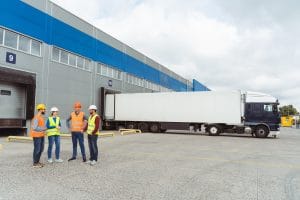
Under the Heavy Vehicle National Law, every party in the chain of responsibility must ensure schedules, requests and contracts don’t cause or encourage a driver to speed or drive fatigued. Breaching the “prohibited requests and contracts” provisions currently attracts a maximum fine of about $13,310 — and from 1 August 2026, that roughly doubles to…
Read MoreCompany and Director Fined a Combined $249,600 After a Reversing Forklift Struck a Worker
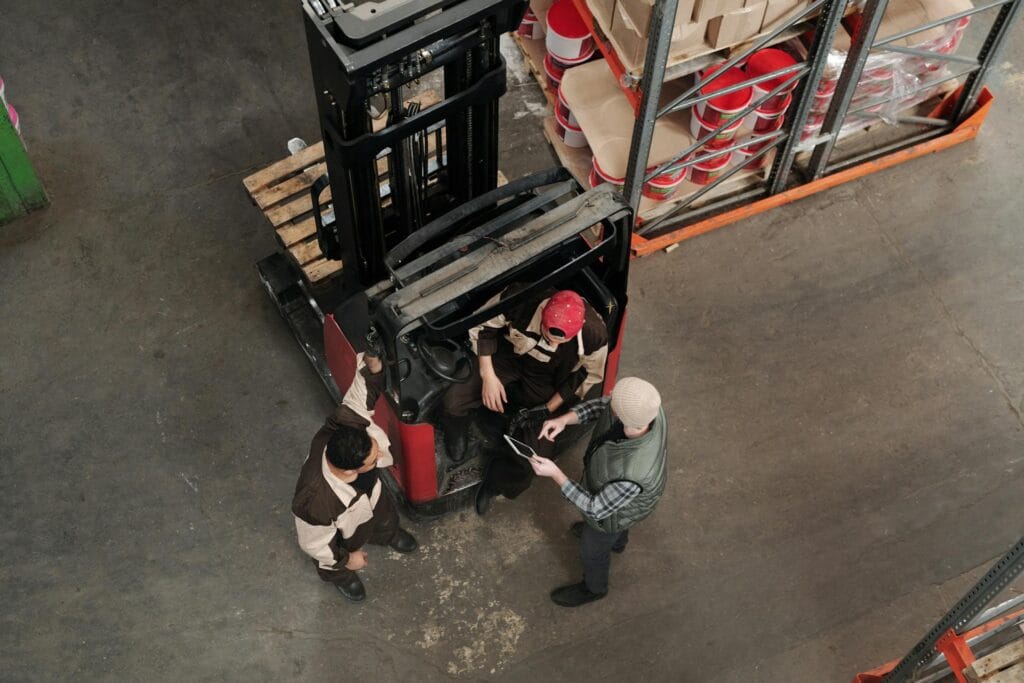
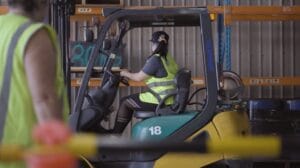
The Industrial Court of NSW has fined Real Juice Company Pty Ltd $240,000 — and its sole director $9,600 personally — after a reversing forklift struck a worker at the company’s Griffith bottling plant, causing injuries that led to the amputation of all five toes on her left foot. The court also ordered the company…
Read MoreManaging Psychosocial Hazards: What the Law Actually Requires Employers to Do (2026)

Managing psychosocial hazards is not a wellness initiative a business can opt into — it is an explicit legal duty. Every PCBU (person conducting a business or undertaking) in an adopting jurisdiction must manage psychosocial risk so far as is reasonably practicable — the same standing as physical hazards. Enforceable codes of practice now set…
Read MoreQueensland Launches a Targeted Audit on Secondary Psychological Injuries: What It Signals for Employers

WorkSafe Queensland has commenced a targeted 2026–27 audit of Queensland workers’ compensation insurers, examining whether they take “all reasonable steps” to stop a worker’s physical injury developing into a secondary psychological injury. Findings are due in December 2026. The message for employers: regulators now treat psychological harm after an injury as preventable — and expect…
Read MoreWho Is Liable When a Load Breaches Mass or Loading Limits Under Chain of Responsibility?
Under Chain of Responsibility (CoR) law, liability for a mass, dimension or loading breach is never limited to the driver. The consignor, packer, loader, scheduler and operator can each be prosecuted if their part of the chain contributed to the breach — with penalties reaching into the millions, and enforcement tightening once the HVNL reform…
Read MoreConfined Space WHS Penalties Are Climbing in Australia — What a $400,000 Queensland Fine Signals for 2026
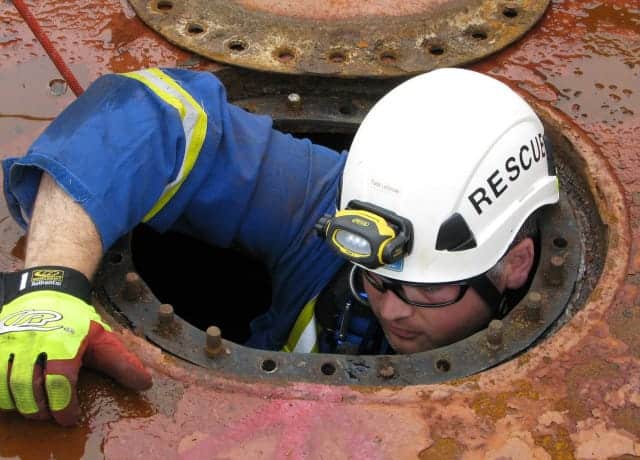
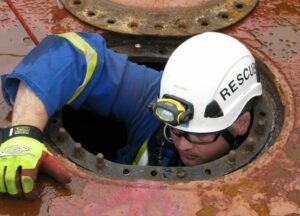
A Gold Coast car dealership was fined $400,000 in May 2025 after an apprentice mechanic died in an explosion inside a poorly ventilated workshop bin room — one data point in a 2025 trend of record WHS penalties, with confined spaces still firmly in regulators’ sights. Gold Coast Isuzu (James Frizelle’s Automotive Group Pty Ltd)…
Read MoreSafeWork NSW’s MAFS Notices: What They Mean For Every Australian Employer’s Psychosocial Duties

In May 2026, SafeWork NSW confirmed it had issued Married At First Sight producer Endemol Shine Australia three improvement notices over psychosocial hazards on set, following five Requests for Service since 2025. The lesson: reality TV contestants are legally “workers,” and no business — however high-profile — is exempt from psychosocial hazard duties. Key facts…
Read MoreSix-Figure Forklift Fines Keep Coming: Three Prosecutions Every Warehouse Operator Should Know About
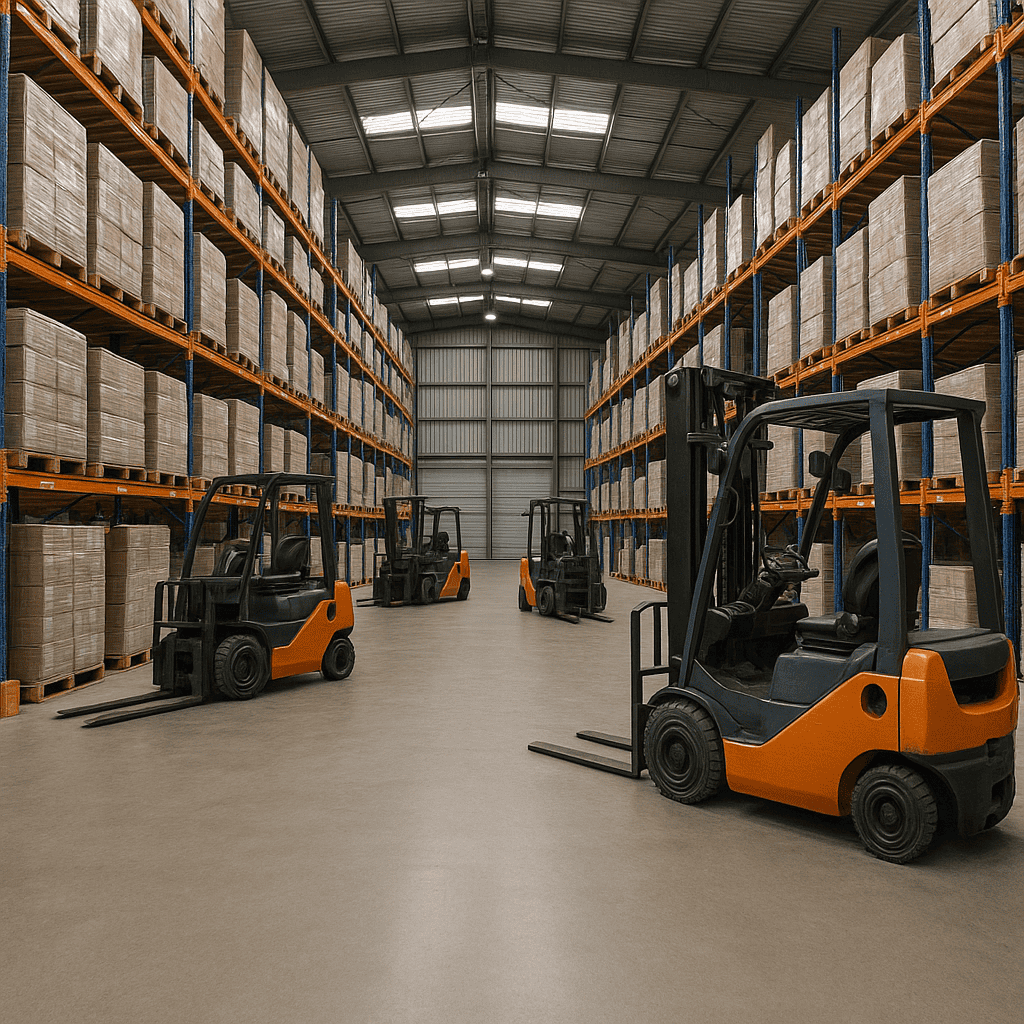
Australian courts have now handed down at least four major forklift-pedestrian penalties in under a year — $330,000 against JBS Australia in NSW, $200,000 against D’Orsogna in Victoria, a second conviction for Queensland’s Drake Trailers, and a $450,000 fine against Steel-Line in March 2026. The common thread in every case: pedestrians and forklifts sharing the…
Read MoreWorkplace Investigations Are a Psychosocial Hazard: What a Landmark 2026 Ruling Means for Every Employer

A misconduct investigation is itself a psychosocial hazard — even when the worker is innocent. That is the effect of a landmark NSW Industrial Relations Commission ruling handed down on 2 March 2026, which upheld improvement notices against an employer whose 10-month investigation left a long-serving worker in crisis. Every Australian employer that investigates staff…
Read MoreFalls From Height Are Costing Employers Hundreds of Thousands: The 2026 Prosecutions Every Site Manager Should Know

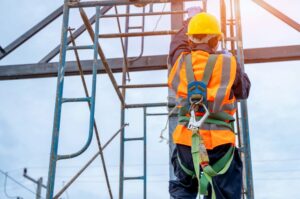
Falls from height triggered a run of heavy penalties across Australia in 2026 — from a $700,000 fine against a repeat-offending roofing company to a record $3.4 million manslaughter penalty after a worker fell to his death. Falls remain the number one cause of death and serious injury in construction, and in case after case…
Read More